
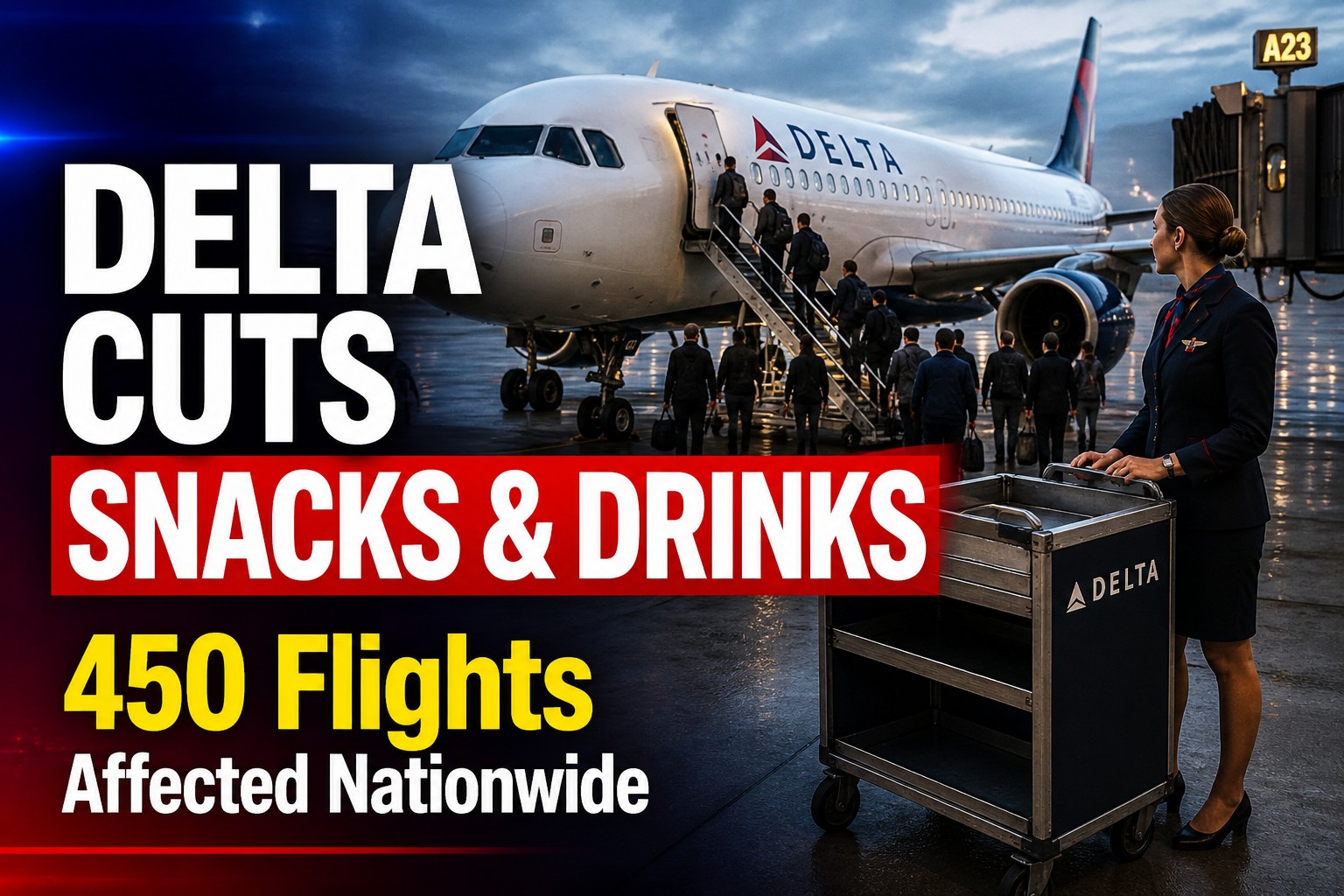
In a move that’s sparking discussion across the U.S. travel industry, Delta Air Lines has announced it will eliminate complimentary snacks and drinks on hundreds of short-haul flights.
The policy shift, set to begin in May 2026, will impact passengers flying on some of the busiest domestic routes. Here’s everything travelers need to know about the change—and why Delta is doing it.
When the Change Takes Effect
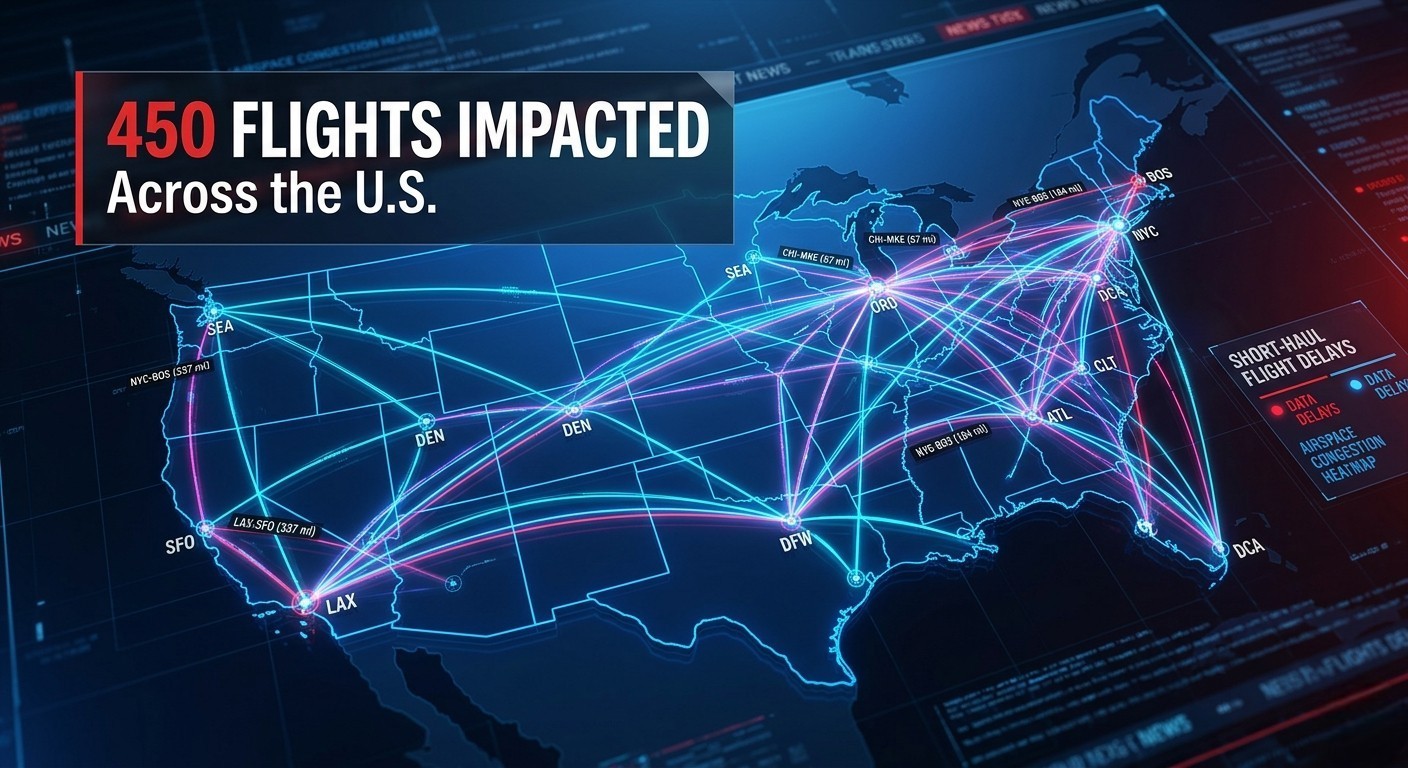
Delta confirmed that the new policy will begin on May 19, 2026, affecting approximately 450 daily flights across its network.
Which Flights Are Affected
The cuts apply specifically to short-haul flights under 349–350 miles—routes that typically last under 1–2 hours.
This includes many high-frequency U.S. routes such as:
- Los Angeles → San Francisco
- New York → Boston
- Other regional and connecting flights
What Passengers Will Lose
Passengers traveling in:
- Main Cabin
- Comfort+
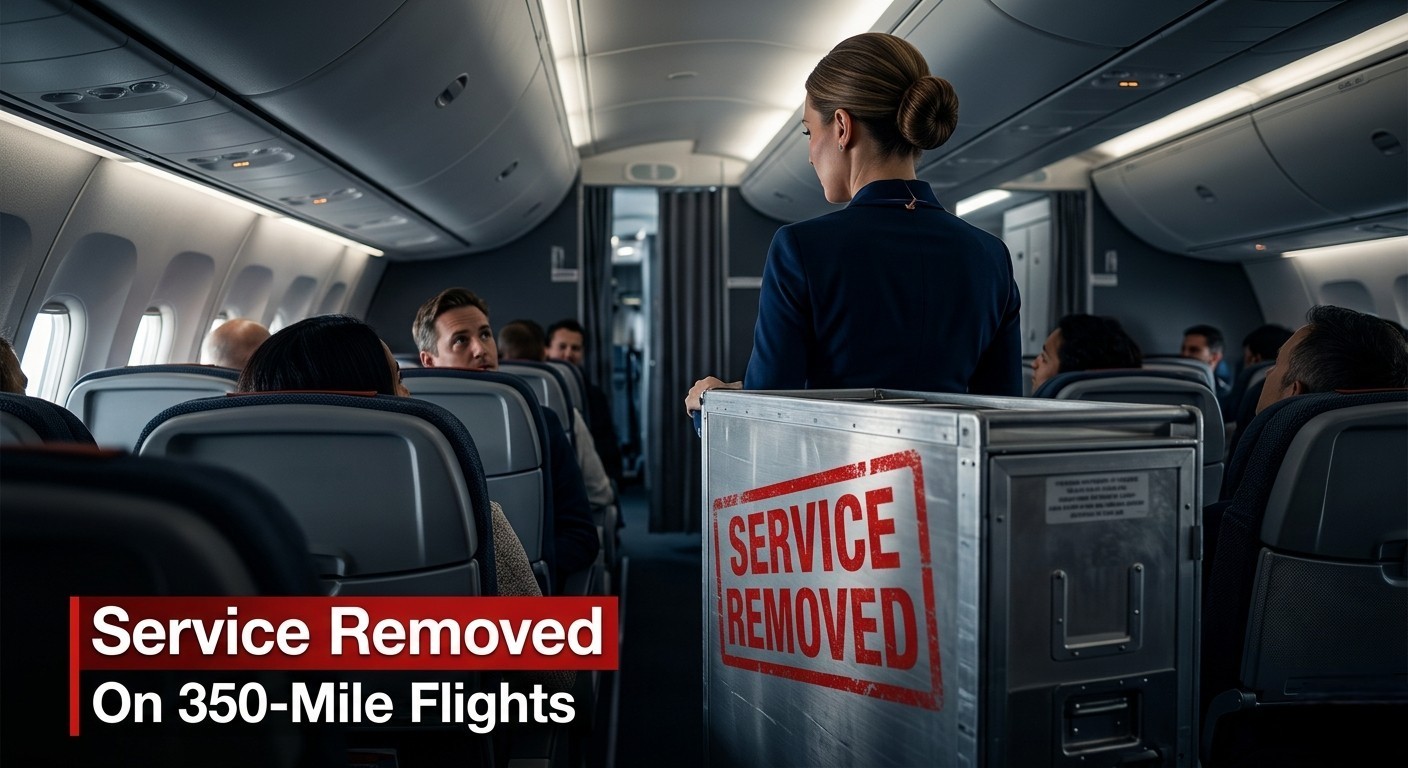
…will no longer receive complimentary:
- Snacks (cookies, pretzels, etc.)
- Soft drinks, coffee, or tea
- Even basic beverage service
This marks a significant shift from Delta’s long-standing policy of offering free refreshments on most domestic flights.
Who Still Gets Service
Not all passengers are affected.
- First Class travelers will continue to receive full food and beverage service, regardless of flight length.
What Improves Instead
Interestingly, Delta isn’t just cutting—it’s also upgrading service on longer flights.
- Flights 350 miles and above will now receive full snack and beverage service instead of limited “express service.”
This means some passengers will actually see an improved onboard experience.
Why Delta Is Making This Change
1. Limited Time on Short Flights
Short flights often don’t allow enough time for safe and efficient service.
Cabin crew typically have only a few minutes between takeoff and landing—making full service difficult to complete.
2. Rising Operational Costs
The airline industry is facing increasing cost pressures, especially fuel prices.
- Jet fuel prices have surged significantly in recent months, impacting airline operations.
Cutting onboard service on very short routes helps reduce:
- Fuel weight
- Staffing complexity
- Operational costs
3. Standardizing the Experience
Delta says the move is part of a broader strategy to create a more consistent onboard experience across its network.
Instead of offering rushed or inconsistent service on short flights, the airline is focusing on delivering better service where it’s more practical.
4. Industry Trends & Competition
The decision also reflects broader airline industry trends:
- Budget airlines have long operated with minimal onboard service
- Legacy carriers are increasingly adopting cost-saving strategies
- Market pressures (including recent airline disruptions) are reshaping service models
How Big Is This Change?
- Affects about 9% of Delta’s daily flights
- Around 450 flights per day
- Millions of passengers annually will experience the change
What This Means for U.S. Travelers
Expect “No-Service” Flights
If you’re flying a short route, don’t expect snacks or drinks onboard.
Plan Ahead
Travelers should:
- Bring their own snacks
- Buy food at the airport before boarding
Short Flights Stay Quick
For many passengers, especially business travelers, the shorter duration may make the change less noticeable.
The Bigger Picture
This move signals a shift in how U.S. airlines balance cost efficiency vs. passenger perks.
While some travelers may see this as a downgrade, others may prefer:
- Faster service
- Fewer interruptions
- Better service on longer flights
Final Thoughts
Delta’s decision to cut drinks and snacks from 450 short-haul flights reflects a broader evolution in the airline industry.
By focusing resources on longer routes and reducing inefficiencies on short ones, the airline aims to streamline operations while maintaining overall service quality.
For passengers, the takeaway is simple:
On short flights, bring your own snacks.